
Breakers That Keep Tripping
A breaker that resets and trips again may be responding to an overload, short circuit, ground fault, damaged appliance, or wiring problem.


Ray's Electrical provides electrical repairs for established homes, growing subdivisions, remodel projects, home offices, shops, and small businesses in Ozark. The work begins with the property, the existing system, and the result you need—then moves to a clear, practical scope.
Clear communication matters when electrical work affects your home, property, tenants, customers, or daily operations.
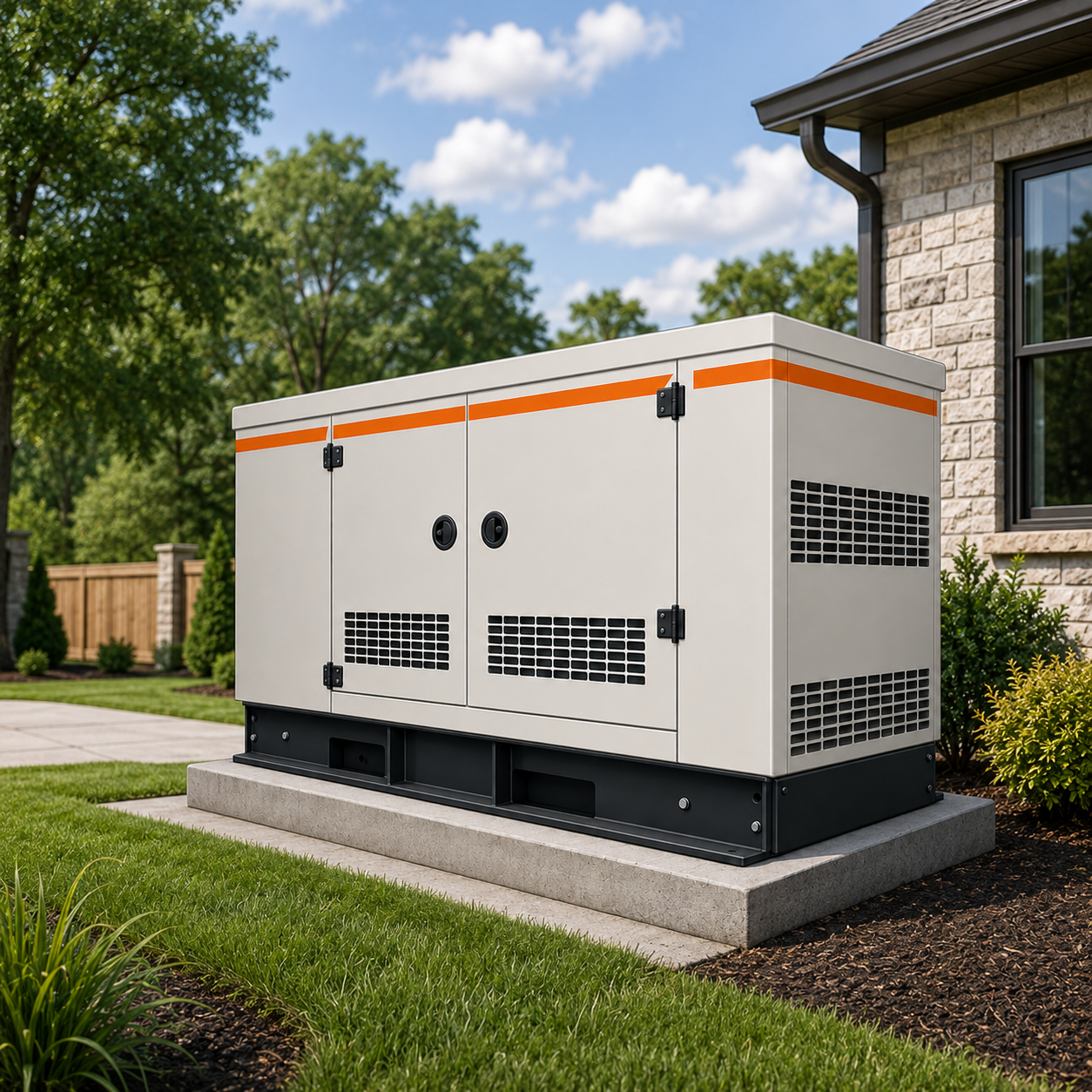
Electrical repair starts with finding why a circuit, device, light, or panel is behaving incorrectly. The symptom may be at the device, but the cause can be a loose connection, failed breaker, damaged conductor, overload, grounding issue, or another fault elsewhere on the circuit.
A useful diagnosis separates an isolated failed part from a system-level problem. That prevents repeated callbacks, unnecessary replacement, and repairs that hide the symptom without correcting the cause.
In Ozark, a repair may involve an established circuit, a newer home's protective device, or a load added during a remodel. Knowing what changed—and when the symptom appears—helps narrow the fault efficiently.
These situations help define the problem, but the recommended scope should follow an inspection or project review.
A breaker that resets and trips again may be responding to an overload, short circuit, ground fault, damaged appliance, or wiring problem.
Outlets and switches that stop working, feel warm, buzz, smell unusual, or show discoloration should be taken out of use and evaluated.
Lights that dim, pulse, or change when equipment starts can point to a loose connection, shared load, service issue, or failing component.
Ray's Electrical matches the work to the building, load, access, and intended use instead of forcing every project into the same package.
Test devices, connections, GFCI protection, circuit continuity, and upstream causes before replacing parts.
Trace overloads, shorts, ground faults, nuisance trips, damaged conductors, and circuits that no longer match the load.
Diagnose failed fixtures, controls, dimmers, switches, connections, and lighting circuits.
Review heat, corrosion, damaged breakers, loose terminations, capacity concerns, and signs that need broader panel work.
These local patterns help frame electrical repairs, but the actual building, equipment, and electrical system determine the final scope.
Ozark properties often change after the original build through finished rooms, expanded kitchens, outdoor areas, home offices, or added equipment. Electrical planning should reflect the current layout rather than the first plan set alone.
Attached garages can become workspaces and may later support tools, freezers, EV charging, or outdoor equipment. Those uses deserve a capacity and circuit discussion before a device is selected.
When walls, ceilings, and cabinetry are already finished, routing and repair impact become part of the scope. Early investigation can identify practical paths and reduce avoidable finish disturbance.
Spare capacity and planned routes can be valuable, but only when they correspond to realistic future loads. A useful plan distinguishes likely needs from expensive provisions that may never be used.
A Ozark or Christian County address may be described using a neighborhood, nearby town, or rural community name. Recognizing those place names helps clarify the property location, likely travel route, and whether the project is in town or on a more rural site.
Relevant local names include the places below. They are geographic context—not a guarantee of availability at every address. Share the exact project address when scheduling so Ray's Electrical can confirm service and access.
A defined sequence keeps the diagnosis, estimate, approved work, and finished result connected. You hear what was found and why a recommendation fits before work moves forward.
A useful estimate is based on the actual scope, not a city-name price or a one-size-fits-all package.
The main cost drivers include time required to reproduce and trace the fault; access to wiring, boxes, attic, crawlspace, or equipment; parts such as devices, breakers, fixtures, or conductors; and whether damage is isolated or affects more than one circuit.
Ray's Electrical reviews those factors, explains practical options, and defines approved work before the project proceeds. If the safest solution is smaller than expected, the recommendation should say so. If related work changes the scope, you should understand why.
This page focuses on electrical repairs in Ozark. Use the service hub for statewide service detail or the Ozark page to review Ray's broader electrical work in the area.
The authority having jurisdiction, utility involvement, and project scope determine which steps apply. Requirements can differ between a city address and an unincorporated property, so they should be confirmed for the specific project rather than assumed from a generic checklist.
These guides explain related electrical concepts and planning decisions in more depth.
Understand an important decision related to electrical repairs before planning work.
Read the guideUnderstand an important decision related to electrical repairs before planning work.
Read the guideUnderstand an important decision related to electrical repairs before planning work.
Read the guideStraight answers about scope, planning, cost factors, permits, and scheduling.
The scope depends on the property and goal. Ray's Electrical reviews the existing system, affected circuits or equipment, access, safety requirements, and the result you need before defining the approved work.
Start with the symptom or project goal rather than a product name. An on-site review can separate a repair from an upgrade and identify whether panel, circuit, wiring, lighting, or equipment work is actually involved.
Yes. Ray's Electrical serves homes, farms, shops, rental properties, offices, and small commercial spaces in Ozark and nearby southwest Missouri communities.
Cost depends on scope, labor, access, existing conditions, materials, equipment requirements, permits, inspections, and whether related panel or circuit work is needed. A site-specific estimate is more useful than a generic price.
Requirements depend on the project scope and the authority having jurisdiction. Ray's Electrical identifies applicable permit, utility, and inspection steps when planning work; requirements should be confirmed for the specific address and project.
Yes. If you are considering an addition, generator, HVAC change, shop equipment, EV charger, appliance, or other future load, mention it during planning so today's work does not create an avoidable limitation.
Share the address, the symptom or project, when the issue occurs, equipment specifications if available, photos of the panel or work area, and any future plans that could affect capacity or layout.
Call Ray's Electrical at (417) 241-5722 or use the contact page. Describe the property, location, service needed, and any timing or access details that may affect the visit.