
Rooms Feel Dim or Uneven
Dark work surfaces, bright hot spots, glare, and uneven coverage usually call for layout and fixture changes—not simply higher-wattage lamps.
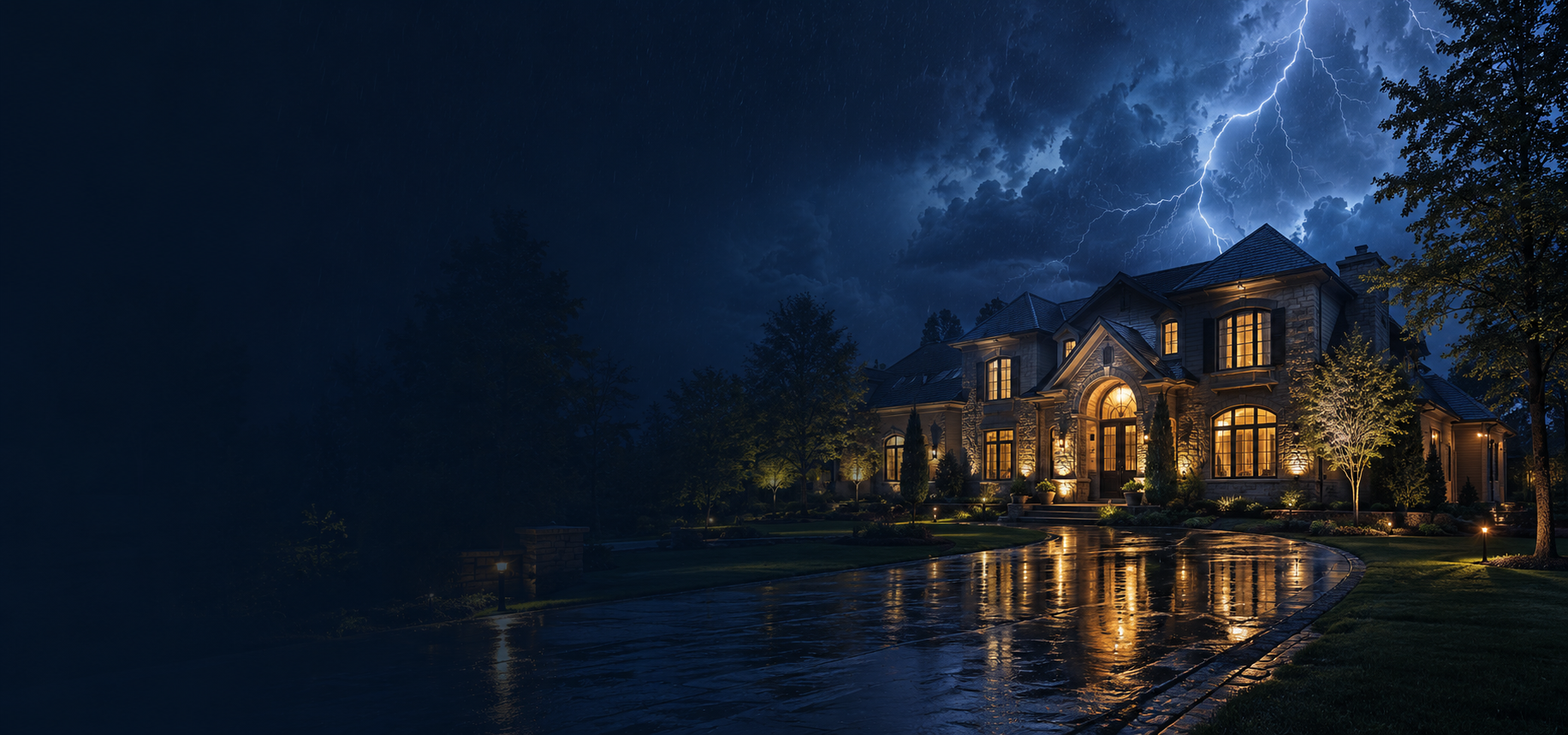

Ray's Electrical provides lighting upgrades for older central-city homes, established neighborhoods, newer subdivisions, rental properties, offices, and small commercial spaces. The work begins with the property, the existing system, and the result you need—then moves to a clear, practical scope.
Clear communication matters when electrical work affects your home, property, tenants, customers, or daily operations.
A lighting upgrade can improve visibility, comfort, security, energy use, and how a room or property functions. The work may involve fixtures, lamp sources, controls, dimming, switching, occupancy sensors, exterior coverage, or correction of an unreliable lighting circuit.
Good lighting is designed around the task and space rather than fixture count alone. Ceiling height, surface color, glare, beam spread, color temperature, control locations, weather exposure, and maintenance access all influence the result.
Springfield lighting needs vary from older rooms with limited switching to renovated homes, offices, storefronts, parking areas, and modern open plans. The best upgrade starts with the visual task in each zone.
These situations help define the problem, but the recommended scope should follow an inspection or project review.
Dark work surfaces, bright hot spots, glare, and uneven coverage usually call for layout and fixture changes—not simply higher-wattage lamps.
Flicker, delayed starts, buzzing, overheating, broken sockets, and repeated lamp failure can point to fixture, driver, control, or circuit problems.
Poor switch locations, incompatible dimmers, no occupancy control, or exterior lights without practical automation can make good fixtures frustrating.
Ray's Electrical matches the work to the building, load, access, and intended use instead of forcing every project into the same package.
Upgrade kitchens, living areas, offices, shops, and workspaces with task-appropriate fixtures and color quality.
Plan entrances, walkways, yards, signs, parking, and work areas around coverage, weather exposure, and neighbor-friendly aiming.
Match switches, dimmers, sensors, timers, photocells, and smart controls to compatible fixtures and actual routines.
Correct unreliable connections, damaged boxes, overloaded controls, failed drivers, and lighting circuits that need more than a lamp change.
These local patterns help frame lighting upgrades, but the actual building, equipment, and electrical system determine the final scope.
Springfield includes older homes, postwar neighborhoods, renovated properties, and newer construction. Building age is a clue, not a diagnosis; additions and past alterations often matter more than the year on the tax record.
Work in an occupied rental, office, or home needs a clear access plan and an explanation of which circuits or rooms will be unavailable. Sequencing can be part of a good electrical scope.
Home offices, larger kitchens, HVAC equipment, entertainment systems, EV charging, and workshops can change how an established electrical system is used without changing the building's footprint.
A Springfield property may combine residential space with an office, studio, garage, or customer-facing area. Each use has different lighting, device, load, and scheduling priorities.
A Springfield or Greene County address may be described using a neighborhood, nearby town, or rural community name. Recognizing those place names helps clarify the property location, likely travel route, and whether the project is in town or on a more rural site.
Relevant local names include the places below. They are geographic context—not a guarantee of availability at every address. Share the exact project address when scheduling so Ray's Electrical can confirm service and access.
A defined sequence keeps the diagnosis, estimate, approved work, and finished result connected. You hear what was found and why a recommendation fits before work moves forward.
A useful estimate is based on the actual scope, not a city-name price or a one-size-fits-all package.
The main cost drivers include fixture quantity, quality, output, and control compatibility; ceiling height, access, existing boxes, and wiring condition; new switching, dimming, sensors, or circuit work; and exterior trenching, weather-rated equipment, lifts, and finish repair.
Ray's Electrical reviews those factors, explains practical options, and defines approved work before the project proceeds. If the safest solution is smaller than expected, the recommendation should say so. If related work changes the scope, you should understand why.
This page focuses on lighting upgrades in Springfield. Use the service hub for statewide service detail or the Springfield page to review Ray's broader electrical work in the area.
The authority having jurisdiction, utility involvement, and project scope determine which steps apply. Requirements can differ between a city address and an unincorporated property, so they should be confirmed for the specific project rather than assumed from a generic checklist.
These guides explain related electrical concepts and planning decisions in more depth.
Understand an important decision related to lighting upgrades before planning work.
Read the guideUnderstand an important decision related to lighting upgrades before planning work.
Read the guideUnderstand an important decision related to lighting upgrades before planning work.
Read the guideStraight answers about scope, planning, cost factors, permits, and scheduling.
The scope depends on the property and goal. Ray's Electrical reviews the existing system, affected circuits or equipment, access, safety requirements, and the result you need before defining the approved work.
Start with the symptom or project goal rather than a product name. An on-site review can separate a repair from an upgrade and identify whether panel, circuit, wiring, lighting, or equipment work is actually involved.
Yes. Ray's Electrical serves homes, farms, shops, rental properties, offices, and small commercial spaces in Springfield and nearby southwest Missouri communities.
Cost depends on scope, labor, access, existing conditions, materials, equipment requirements, permits, inspections, and whether related panel or circuit work is needed. A site-specific estimate is more useful than a generic price.
Requirements depend on the project scope and the authority having jurisdiction. Ray's Electrical identifies applicable permit, utility, and inspection steps when planning work; requirements should be confirmed for the specific address and project.
Yes. If you are considering an addition, generator, HVAC change, shop equipment, EV charger, appliance, or other future load, mention it during planning so today's work does not create an avoidable limitation.
Share the address, the symptom or project, when the issue occurs, equipment specifications if available, photos of the panel or work area, and any future plans that could affect capacity or layout.
Call Ray's Electrical at (417) 241-5722 or use the contact page. Describe the property, location, service needed, and any timing or access details that may affect the visit.