
Plans Are Being Finalized
Electrical input before framing and mechanical rough-in can prevent conflicts, missing circuits, and expensive changes later.


Ray's Electrical provides new construction wiring for homes in town, farm properties, workshops, rental houses, and rural properties around Seymour. The work begins with the property, the existing system, and the result you need—then moves to a clear, practical scope.
Clear communication matters when electrical work affects your home, property, tenants, customers, or daily operations.
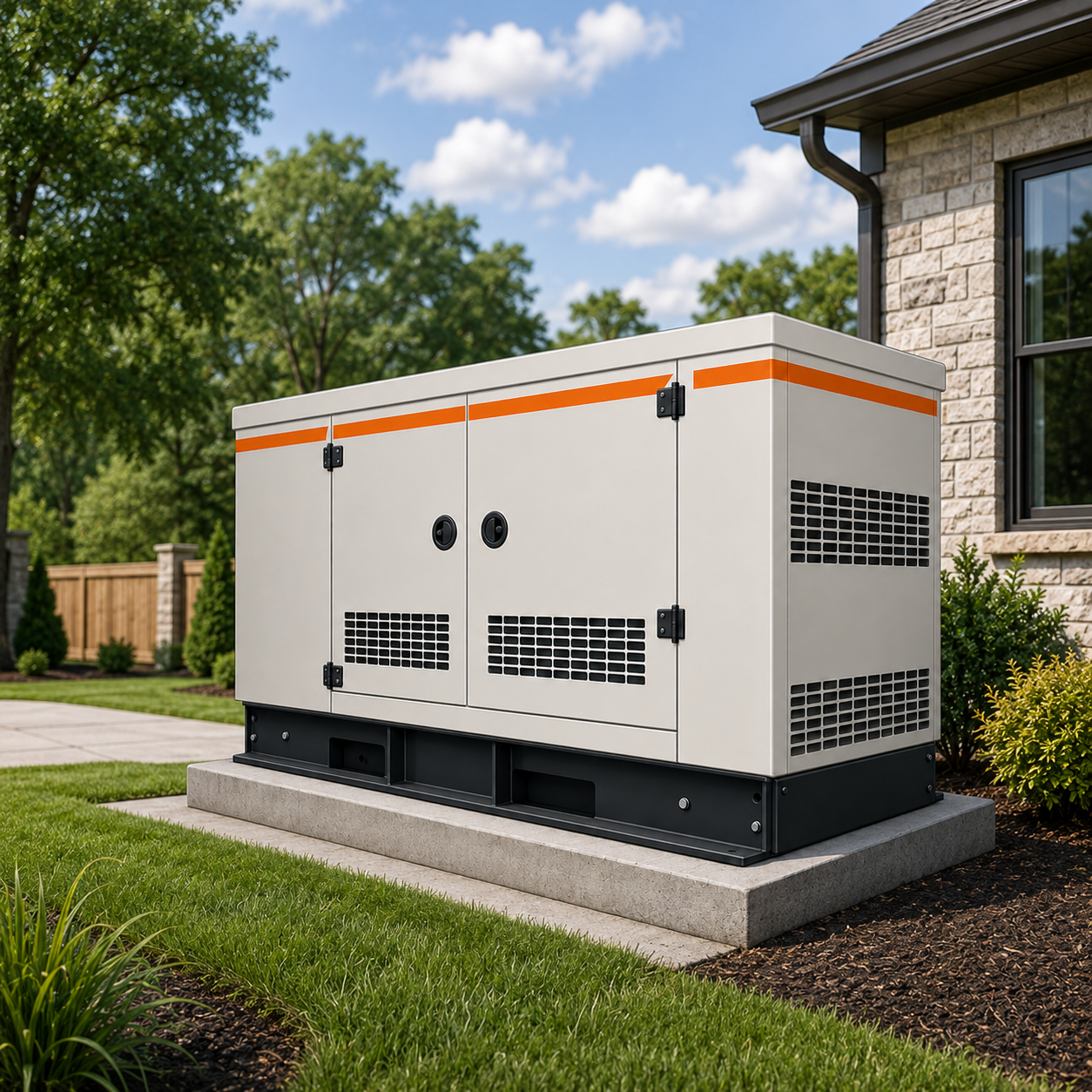
New construction wiring creates the electrical system before walls and finishes are complete. It includes service and panel planning, branch circuits, receptacles, switches, lighting, life-safety devices, equipment connections, exterior power, and final trim-out.
The best electrical plans begin with how the building will actually be used. Furniture, appliances, tools, HVAC, internet equipment, outdoor areas, backup power, and possible future loads all affect circuit and device placement.
Around Seymour, new wiring may serve a home, shop, farm building, addition, or small business. Site layout, wells, outbuildings, equipment, and generator plans can shape the service and feeder design early.
These situations help define the problem, but the recommended scope should follow an inspection or project review.
Electrical input before framing and mechanical rough-in can prevent conflicts, missing circuits, and expensive changes later.
Appliance, HVAC, shop, well, pump, and business equipment specifications help determine service and circuit requirements.
Conduit, spare capacity, generator readiness, EV charging, and flexible lighting are easier to plan before concrete and drywall.
Ray's Electrical matches the work to the building, load, access, and intended use instead of forcing every project into the same package.
Plan service capacity, panel locations, grounding, disconnects, circuits, and room for realistic future needs.
Install boxes, cable or raceway, dedicated circuits, lighting wiring, controls, and required protection before walls close.
Install receptacles, switches, lighting, devices, labels, and equipment connections after finishes are ready.
Verify circuits, protective devices, labeling, operation, and remaining owner or contractor questions.
These local patterns help frame new construction wiring, but the actual building, equipment, and electrical system determine the final scope.
Seymour's in-town properties can have compact service layouts, finished additions, tenant turnover, or older circuits serving newer appliances. The useful starting point is a room-by-room understanding of what the system serves now.
A rural Seymour property may distribute power beyond the house to a well, barn, detached garage, shop, gate, or other equipment. Feeders and disconnects can be as important to the project as the main panel.
Ray's Electrical is based in Seymour. That local connection does not replace diagnosis, but it supports a practical conversation about access, property use, future plans, and which work needs attention first.
Generator planning, HVAC changes, workshop tools, or a future addition can affect today's electrical decision. Mentioning those plans early helps avoid work that must be changed again later.
A Seymour or Webster County address may be described using a neighborhood, nearby town, or rural community name. Recognizing those place names helps clarify the property location, likely travel route, and whether the project is in town or on a more rural site.
Relevant local names include the places below. They are geographic context—not a guarantee of availability at every address. Share the exact project address when scheduling so Ray's Electrical can confirm service and access.
A defined sequence keeps the diagnosis, estimate, approved work, and finished result connected. You hear what was found and why a recommendation fits before work moves forward.
A useful estimate is based on the actual scope, not a city-name price or a one-size-fits-all package.
The main cost drivers include building size, use, and service capacity; device, circuit, lighting, and equipment counts; trenching, outbuildings, long feeders, and site access; and fixture selections, controls, permits, inspections, and schedule coordination.
Ray's Electrical reviews those factors, explains practical options, and defines approved work before the project proceeds. If the safest solution is smaller than expected, the recommendation should say so. If related work changes the scope, you should understand why.
This page focuses on new construction wiring in Seymour. Use the service hub for statewide service detail or the Seymour page to review Ray's broader electrical work in the area.
The authority having jurisdiction, utility involvement, and project scope determine which steps apply. Requirements can differ between a city address and an unincorporated property, so they should be confirmed for the specific project rather than assumed from a generic checklist.
These guides explain related electrical concepts and planning decisions in more depth.
Understand an important decision related to new construction wiring before planning work.
Read the guideUnderstand an important decision related to new construction wiring before planning work.
Read the guideUnderstand an important decision related to new construction wiring before planning work.
Read the guideStraight answers about scope, planning, cost factors, permits, and scheduling.
The scope depends on the property and goal. Ray's Electrical reviews the existing system, affected circuits or equipment, access, safety requirements, and the result you need before defining the approved work.
Start with the symptom or project goal rather than a product name. An on-site review can separate a repair from an upgrade and identify whether panel, circuit, wiring, lighting, or equipment work is actually involved.
Yes. Ray's Electrical serves homes, farms, shops, rental properties, offices, and small commercial spaces in Seymour and nearby southwest Missouri communities.
Cost depends on scope, labor, access, existing conditions, materials, equipment requirements, permits, inspections, and whether related panel or circuit work is needed. A site-specific estimate is more useful than a generic price.
Requirements depend on the project scope and the authority having jurisdiction. Ray's Electrical identifies applicable permit, utility, and inspection steps when planning work; requirements should be confirmed for the specific address and project.
Yes. If you are considering an addition, generator, HVAC change, shop equipment, EV charger, appliance, or other future load, mention it during planning so today's work does not create an avoidable limitation.
Share the address, the symptom or project, when the issue occurs, equipment specifications if available, photos of the panel or work area, and any future plans that could affect capacity or layout.
Call Ray's Electrical at (417) 241-5722 or use the contact page. Describe the property, location, service needed, and any timing or access details that may affect the visit.